
Want to solve a similar problem?
Book a strategy call if you want to talk through the bottleneck, the right first move, and whether this kind of approach fits your business.

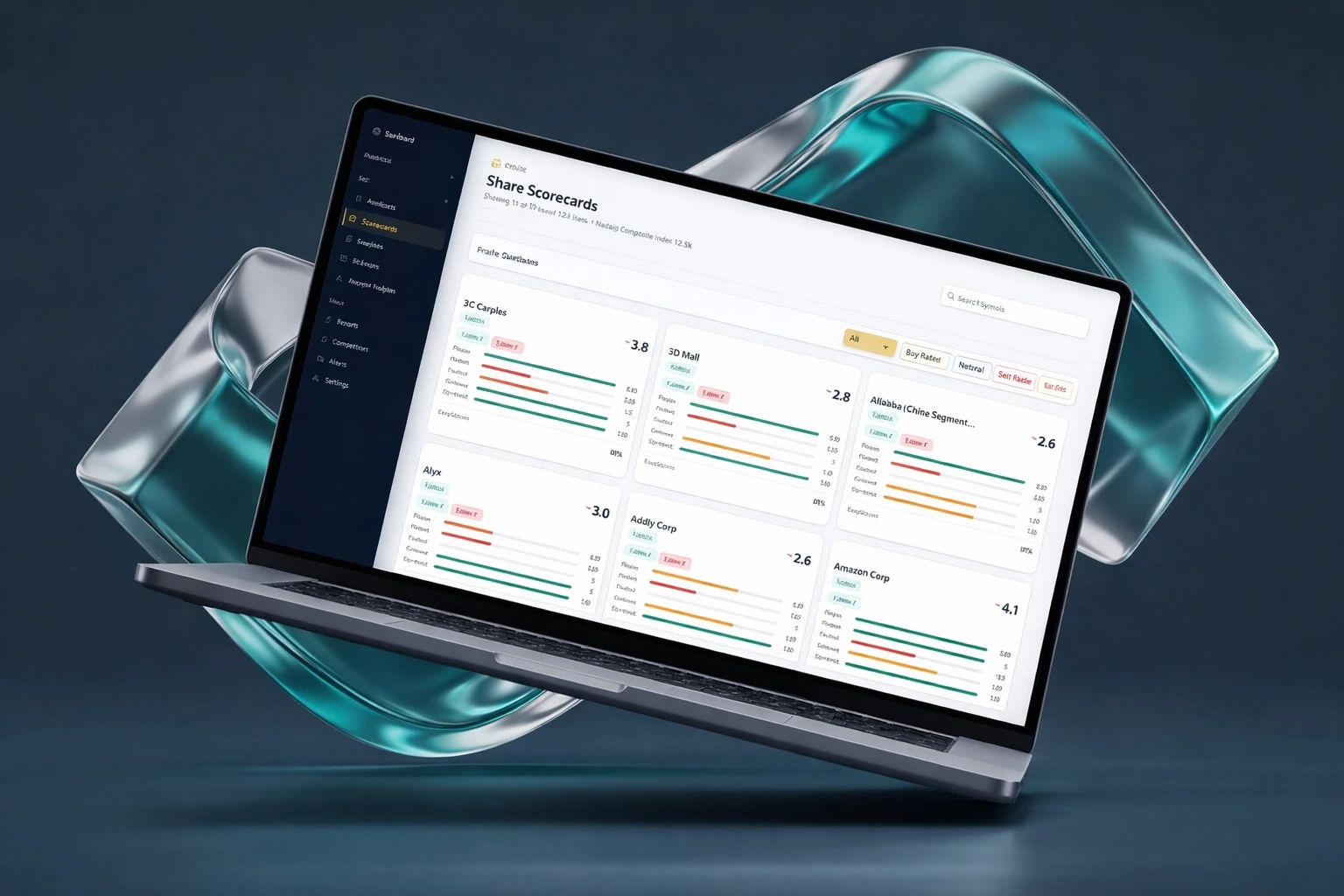
Al Sayer's operations team was managing performance data across fragmented spreadsheets and manual review cycles. Reports took time to prepare, decisions were made on stale data, and there was no shared visibility across stakeholders. We built a secure internal platform with role-aware dashboards, connected data views, and a structured reporting layer that fit the existing team workflow without forcing a complete stack replacement.
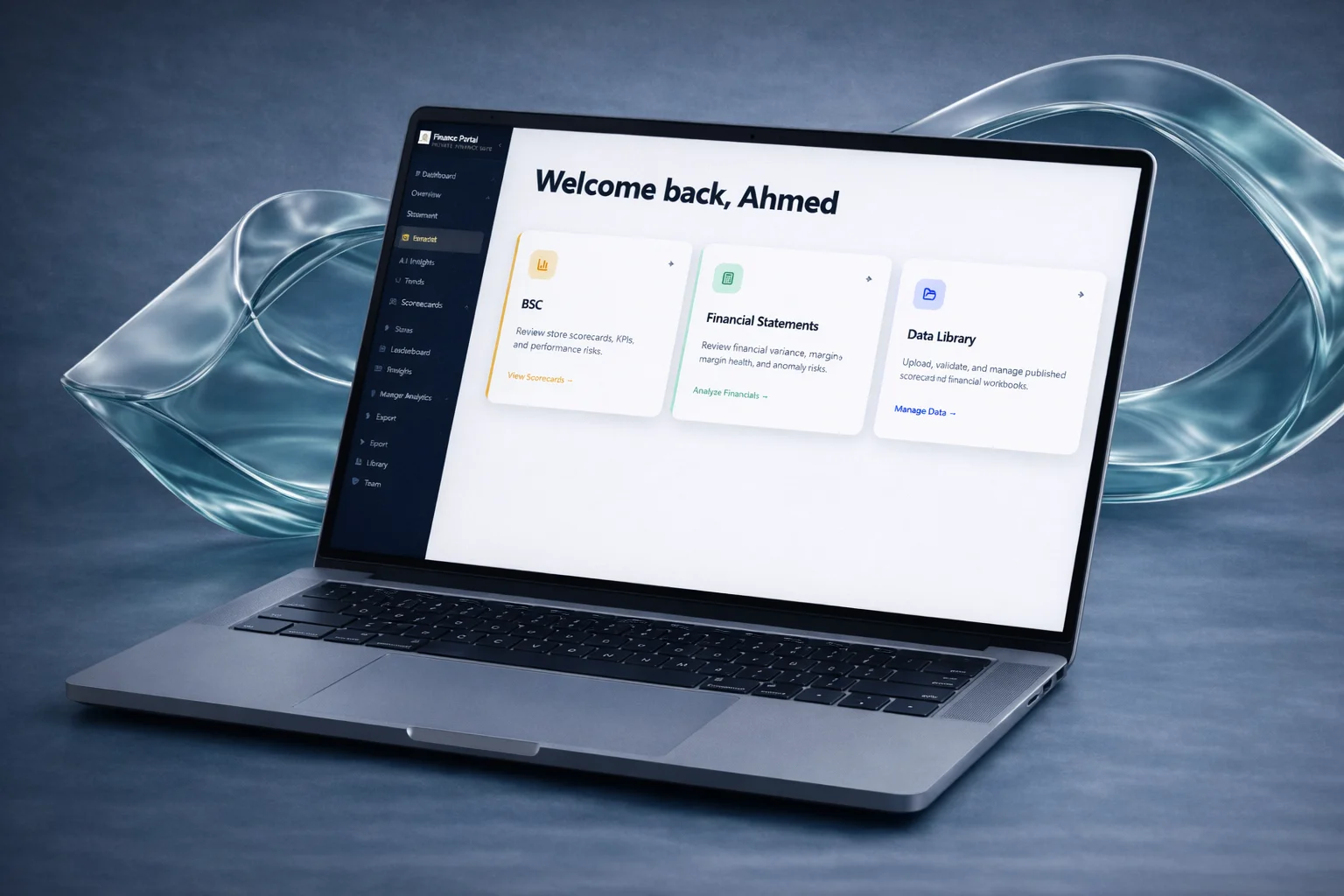
Key operational data lived in separate spreadsheets maintained by different team members. Preparing reports for decision-making was a manual process that introduced delays and inconsistencies. There was no single place where management could view performance across the operation without waiting for someone to consolidate the data first.
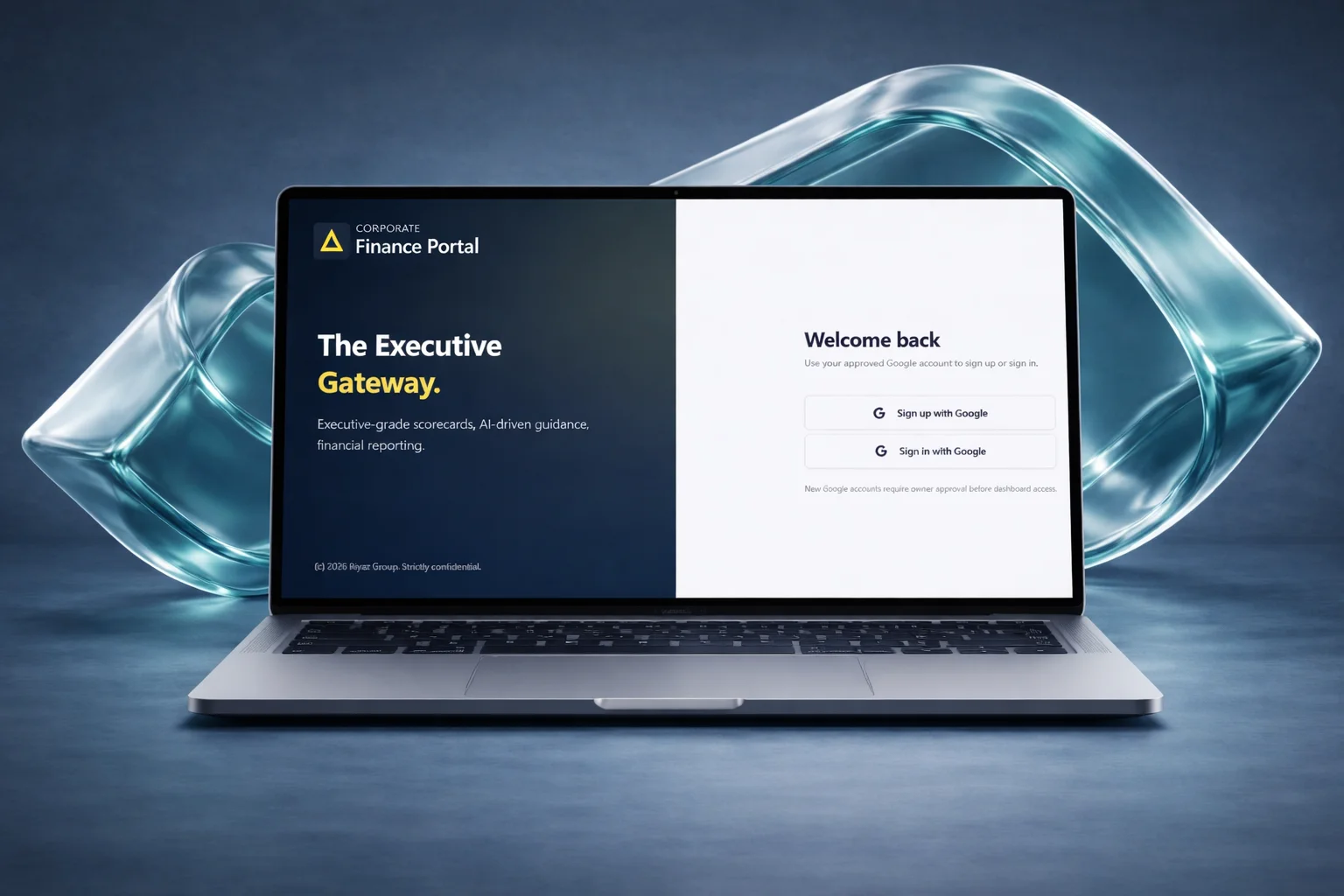
The platform needed strong role-based access control and secure multi-user structure from the start. It had to integrate with tools and workflows already in use rather than replace the entire stack. The team's existing reporting habits needed to be supported, not discarded.
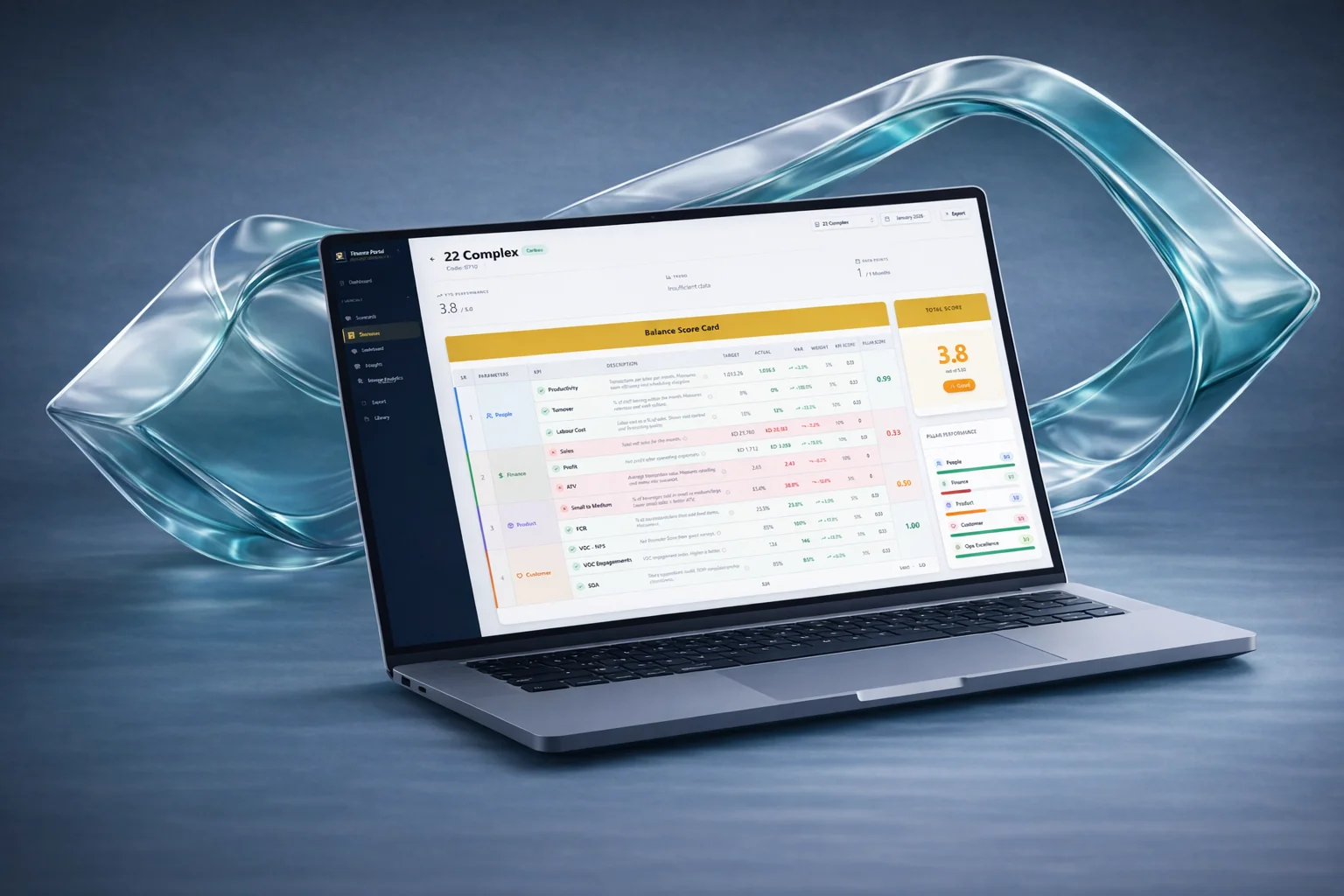
Designed and built a custom internal platform with role-aware access, connected data views across key operational areas, structured reporting layers aligned to the decisions management needed to make, and an AI-assisted analytics layer to help the team interpret data faster and act with more confidence.
Operational data became faster to access and easier to act on. The manual preparation cycle was replaced by connected views that updated in real time. Decision-makers gained consistent visibility into performance without waiting for reports to be compiled.
Manual spreadsheet preparation was replaced by connected dashboards updated in real time across the relevant operational areas.
Role-based access ensured the right stakeholders saw the right data without compromising security or creating management overhead.
The AI-assisted analytics layer helped team members interpret complex data faster and surface insights that were previously buried in raw tables.
Book a strategy call if you want to talk through the bottleneck, the right first move, and whether this kind of approach fits your business.